
How the Southwest Virginia market actually works
Corridor access, county differences, downtown building stock, and land conditions. Written for someone deciding whether to commit money here, not for someone browsing.
- Sub-markets
- 6
- Counties
- 8
- Land parcels
- 9
- Active listings
- 25
Everything starts with the interstate
Interstate 81 runs the length of this region, and it is the single most important fact about commercial property here. It carries freight the length of the Shenandoah Valley, and the exits along it are the points where regional traffic becomes local traffic. For a business that depends on either one, the distance between a site and the nearest interchange matters more than almost anything else on the survey.
This is the part that surprises people who are new to the market. Two parcels can be a mile apart, similar acreage, similar zoning, similar frontage, and sit in genuinely different markets. One is a right turn off the ramp. The other requires a driver to cross town. For a truck-dependent user, that difference is not cosmetic, it is the whole decision.
Retail at the same interchange runs on different logic again, because retail wants the traffic count and the visibility rather than the truck access. It is common for one parcel to be right for one of those uses and wrong for the other, which is why "good location" is not a useful description of anything here.
Wytheville deserves a specific mention, because I-81 meets I-77 there. Two interstates crossing widens the catchment a site can serve well beyond what the town's size would suggest.
Six markets, not one
- Abingdon and Washington CountyThe firm's home market and the most active. Historic downtown storefronts on Main Street, professional office space, and interstate-adjacent development land around the Exit 19 interchange. Downtown and highway frontage behave as two separate markets here.
- Bristol and the state lineA cross-border market. A site's catchment does not stop at a state line, even when brokerage coverage does.
- Marion, Chilhowie, and Smyth CountyMain Street building stock plus highway commercial along Lee Highway. Our second office sits here, which shortens the loop on anything in the county.
- Wytheville and Wythe CountyWhere I-81 meets I-77. Two interstates crossing changes the logic for anything freight-dependent, and it is the reason a site here can serve a wider catchment than its town size suggests.
- The New River ValleyBlacksburg, Christiansburg, Dublin, and Fairlawn. University-driven demand behaves differently from the rest of the region: student-adjacent retail, professional office, and a firmer residential market. Our Blacksburg listings sit here.
- Wise, Norton, and LebanonWest of the corridor and driven by different employers. Pad-ready commercial sites and highway frontage rather than downtown blocks. Worth understanding on its own terms rather than as an extension of the I-81 market.
Acreage, access, and the three options
A large share of the land we handle in Washington, Smyth, and Wythe counties has been in the same family for a long time. When it comes time to sell, the conversation is almost never purely financial. There is history attached, and often several family members with different views about what should happen.
Practically there are three paths, and they carry very different amounts of work. Selling whole is the simplest: one transaction, one closing, one buyer. The buyer pool for a large tract is smaller and the per-acre figure is usually lower than the sum of subdivided parcels, but the process is short and the outcome is certain.
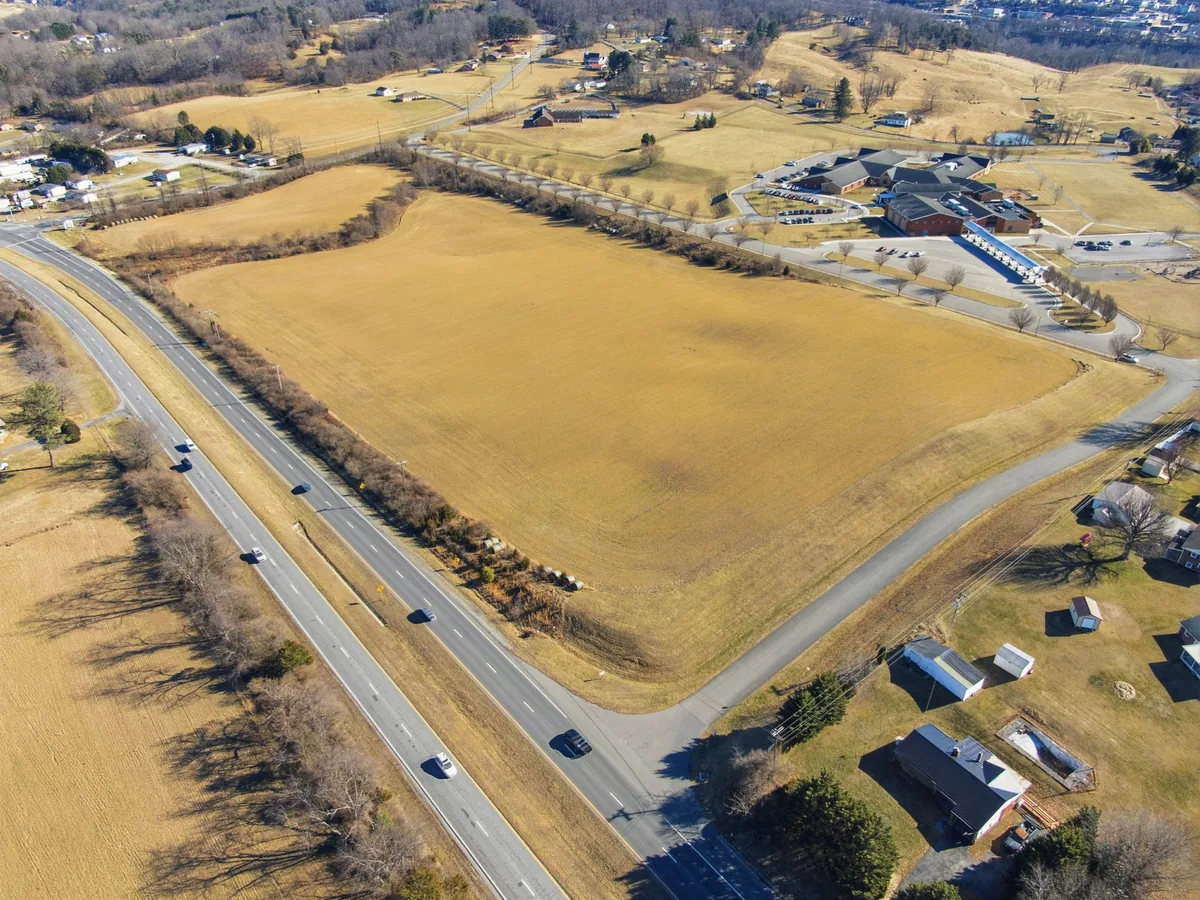
Subdividing can produce more total value and introduces real work: survey, road access, utility availability, county approval, then a sequence of smaller sales that may run over a long period. Whether it makes sense depends heavily on topography and access. Land fronting an existing road with power along it is a different proposition from a tract where a new road has to be cut to reach the back acreage.
Waiting is a legitimate third option and deserves to be treated as a decision rather than a default. If the land is not costing much to hold and there is a specific reason to expect demand to improve, holding can be sound. If it is being held only because nobody wants to make the decision, that is a different situation and worth naming.
Main Street building stock
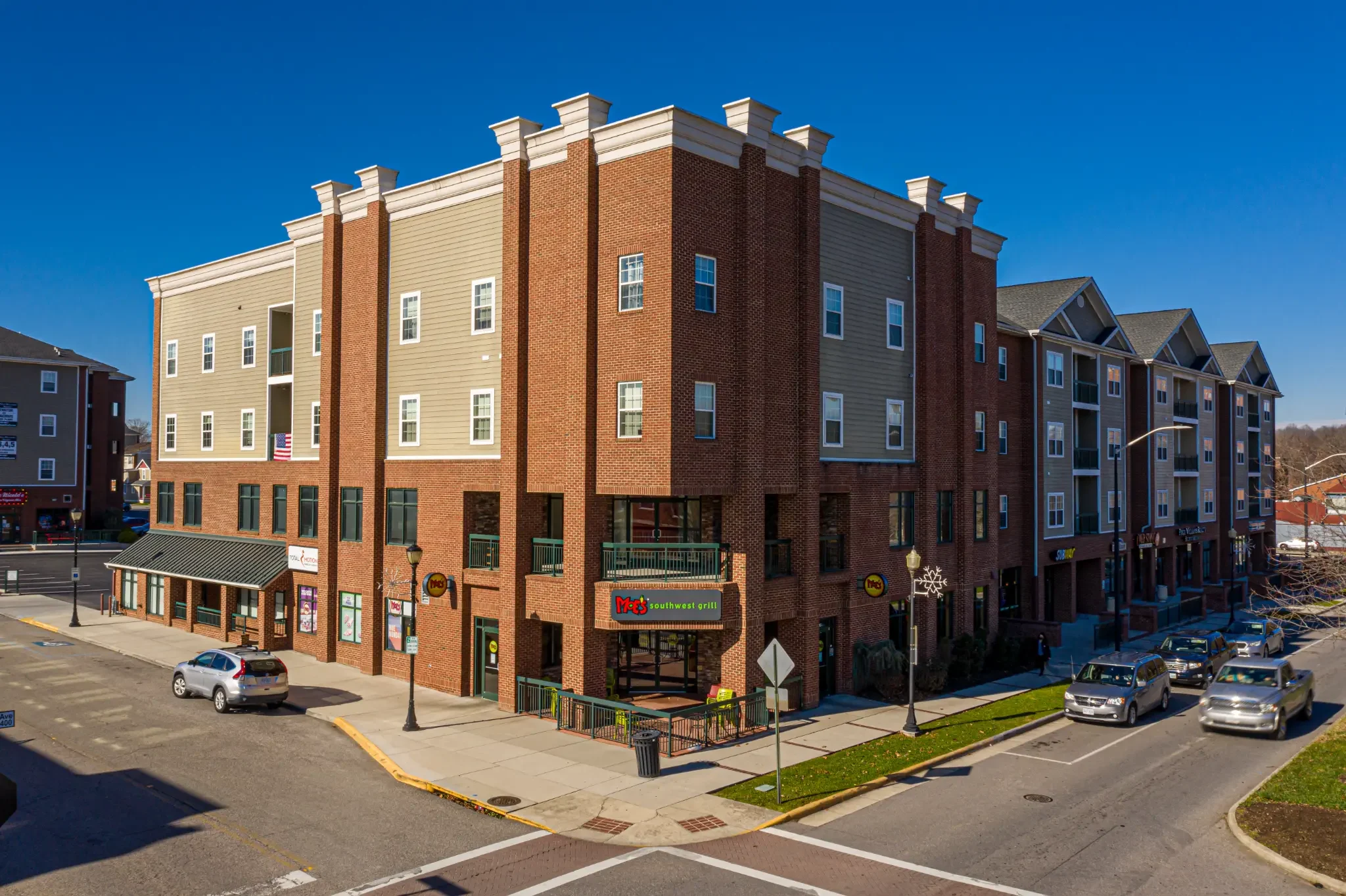
The downtown stock in this region is genuinely good. Abingdon, Marion, Wytheville, and Bristol all have Main Street blocks with brick storefronts, high ceilings, deep floor plates, and the kind of foot traffic a strip center cannot manufacture. For the right business, a downtown address does marketing work that a highway pad site never will.
They also come with a specific set of questions, and the answers vary enormously building to building. Age is the reason. A structure built in the 1920s has been modified repeatedly by owners with different budgets and different intentions, and what a tenant inherits is the sum of those decisions.
Restaurant and food uses are where this most often becomes expensive, because grease interception, make-up air, and hood venting in an older masonry building are not simple retrofits. None of that is a reason to avoid downtown. It is a reason to walk the building with someone who has been inside the others on that block.
Five things worth establishing first
- How the site is actually reachedTurning radius, queue length at the nearest signal, and whether a tractor-trailer can enter without swinging into oncoming lanes. This is the item most often assumed and least often checked.
- Where the utilities really areNot whether the town has sewer, but whether it reaches the part of the parcel you intend to build on, and what it costs to extend if it does not.
- What the grade will cost youTopography here is not flat. A parcel that looks larger on paper can carry a smaller buildable footprint once you account for slope and stormwater.
- What the building has already been throughIn older downtown stock, decades of modification by different owners is the norm. Electrical capacity, roof and envelope responsibility, and the second means of egress are where surprises live.
- Which direction the traffic comes fromAt the times of day that matter to your use, specifically. A count averaged over a week can hide the pattern that decides whether a retail site works.
Tell us what the property needs to do.
Say what you are trying to accomplish and an advisor who works this market answers with what we know about the site and the corridor. No obligation.
Most commercial questions here get answered quicker on the phone. All three offices reach the same line.