
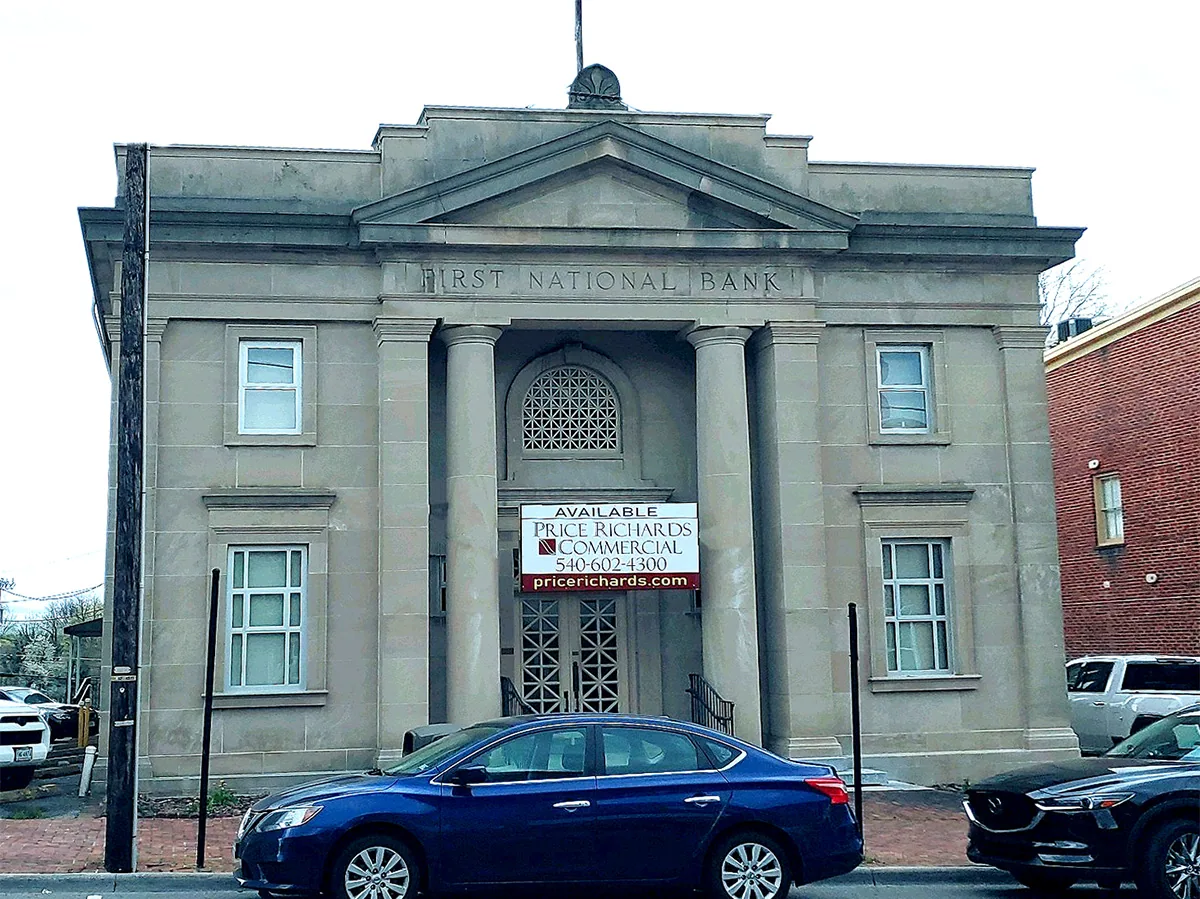
Selling your business, quietly
A staged process that protects the business while it sells. Your staff, your customers, and your competitors learn nothing until you decide they should.
Most owners start here undecided
You do not need to have made up your mind to have this conversation. A large share of the owners we speak to are working out what the business might be worth and what selling would actually involve, and some of them decide to wait two or three years. That is a perfectly good outcome, and it is usually a better one when it comes with a number attached.
What we would ask is that you have the conversation early rather than late. The steps that raise the sale price, cleaning up the books, reducing how much depends on you personally, documenting the customer base, all take time. Started a year out, they are worth real money. Started a month out, they are paperwork.
Fees are set per engagement and discussed directly, before you commit to anything.
Seven steps, in this order
- A private conversation, with nothing committedWhat the business does, roughly what it earns, and why you are thinking about it. No paperwork at this stage and no obligation to go further.
- ValuationWhat the business is realistically worth to a buyer in this region, and what drives that number up or down. If the figure is lower than you expected, you hear it here rather than after six months on the market.
- PreparationGetting the financials, leases, contracts, and equipment lists into a shape a buyer can review. This is usually where the value gets made, and it is the step most sales skip.
- Confidential marketingA description that conveys the opportunity without identifying the business. Sector, size, region, and performance shape, with no name and no photograph.
- Buyer qualificationFinancial capacity confirmed, then a non-disclosure agreement signed, then information released. Nobody sees the name of your business before both are done.
- Offers and negotiationStructure matters as much as price here. How much is cash at closing, what is financed, what is held back, and what you are expected to do after the sale.
- TransitionStaff, customers, and suppliers told in the order and the way you decide. A clean handover protects the price you negotiated.
What to have ready
- Three years of financialsTax returns and profit and loss statements. Clean books raise the price. There is no way around that.
- The lease, if you rentRemaining term and assignment rights change what a buyer can do, and sometimes change the deal entirely.
- An equipment and asset listWhat conveys, what does not, and what is leased rather than owned.
- Customer concentrationIf one customer is a large share of revenue, a buyer will find out. Better that it is disclosed and explained.
- Your own role in the businessHow much of the operation depends on you personally is one of the biggest factors in what someone will pay.
If you own the building as well
Plenty of owners here hold the real estate alongside the business, and the two do not have to sell together. Sometimes the better outcome is selling the operation and keeping the building as a leased asset, with the new owner as your tenant.
Because we handle commercial real estate in the same counties, that option gets evaluated properly rather than assumed away. It changes both the price and the tax position, so it is worth looking at before the business goes to market.
Tell us what the property needs to do.
Say what you are trying to accomplish and an advisor who works this market answers with what we know about the site and the corridor. No obligation.
Most commercial questions here get answered quicker on the phone. All three offices reach the same line.